مقدمة
Since the eruption of conflict in April 2023, Sudan has been gripped by a harrowing tale of violence and displacement. Amidst the chaos, the Rapid Support Forces (RSF) and the Sudanese Armed Forces (SAF) have wielded a potent weapon: internet shutdowns. These deliberate acts, intended to stifle information flows in areas of contention, have exacerbated an already dire humanitarian crisis.
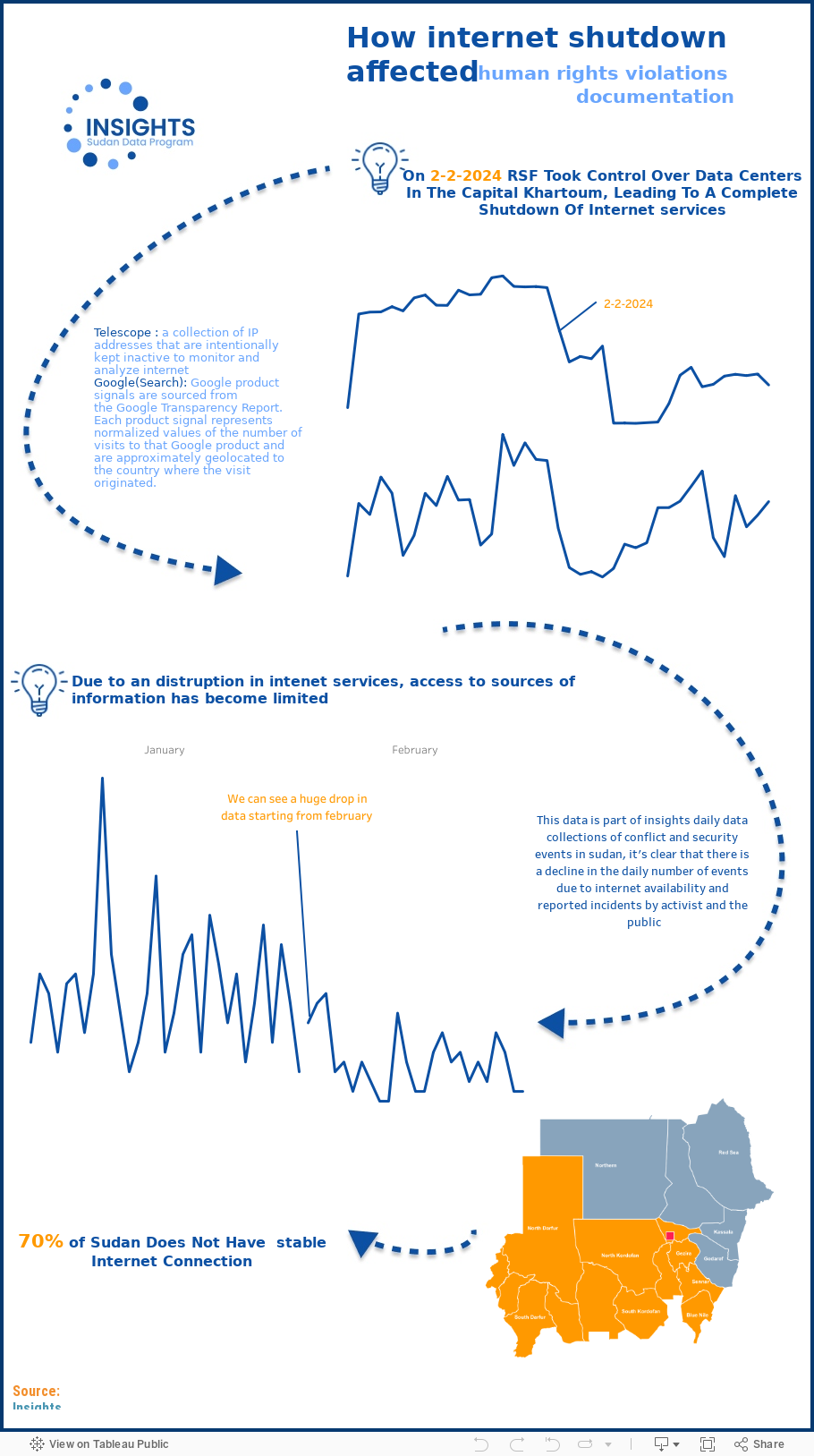
With over 13,000 lives lost and nine million internally displaced, Sudan faces one of the largest internal displacement crises in the world. The ongoing internet blackout, initiated on February 2, 2024, has further compounded this suffering. The RSF’s seizure of internet service providers’ data centers in Khartoum triggered widespread outages, plunging the nation into digital darkness.
For Sudanese communities, the consequences are dire. Emergency assistance and humanitarian aid efforts are hampered by the blackout, with consular services suspended and access to critical information impeded. Vital services such as money transfers and communication with loved ones have become increasingly challenging, exacerbating the plight of the Sudanese people.
Despite assurances from major ISPs, including Zain Sudan, Sudani, and MTN Sudan, apologies for service disruptions have been coupled with a deafening silence regarding restoration timelines. The blackout persists, leaving Sudanese citizens stranded in a digital void.
In regions like Port Sudan, where internet access is a lifeline for thousands of internally displaced civilians, the blackout intensifies an already precarious situation. With no end in sight, the need for connectivity is paramount. Internet access is not a luxury but a lifeline, facilitating access to emergency services, sharing critical information, and documenting human rights abuses.
The Insights team has recently developed a comprehensive dashboard illustrating the notable decline in available sources of information. This dashboard meticulously captures the impact of various factors, including recent internet disruptions, on our access to critical data streams. Through meticulous analysis and data visualization, the team has provided invaluable insights into the extent of this limitation, empowering stakeholders to make informed decisions despite the challenges posed by the constrained information landscape.